
Strong and Reliable Dental Bridges from Radiance Family & Cosmetic Dentistry
If you are missing one or more teeth in a row, but not enough to warrant dentures, a dental bridge can help. Our expert dental team at Radiance Family & Cosmetic Dentistry offers high-quality dental bridges to replace missing teeth and restore your smile.
With years of experience and education, Dr. Rebecca Rath and her team are dedicated to providing durable and aesthetically pleasing bridges that enhance your oral health and overall appearance. Our custom bridges are designed to fit comfortably and function like natural teeth.
What Are Dental Bridges?
Dental bridges are fixed prosthetics that replace one or more missing teeth by anchoring to your adjacent natural teeth or dental implants. They are an effective solution for filling gaps in your smile and preventing dental issues caused by missing teeth.
Bridges can replace even just one missing tooth as an alternative to implants, if implants are not right for you and your situation.
At Radiance Family & Cosmetic Dentistry, we use the latest materials and techniques to create bridges that blend seamlessly with your natural teeth.
What Do Dental Bridges Offer?
Dental bridges offer several benefits that contribute significantly to both your oral health and quality of life. They restore function by enabling you to chew and speak properly, making everyday activities more comfortable and efficient. Plus, custom bridges are the perfect cosmetic decision—designed to blend seamlessly with your natural teeth. This treatment improves your appearance and boosts your confidence.
Bridges also play a crucial role in preventing your teeth from shifting out of place. Tooth shifting can lead to misalignment and further dental issues. By maintaining your teeth’s alignment, dental bridges help preserve the integrity of your bite and contribute to long-term oral health.
Why You Should Get a Dental Bridge
Choosing not to replace missing teeth with a dental bridge can lead to several significant oral health issues. Having a missing tooth will cause your other teeth to shift and eventually cause bone loss and gum issues. We want to prevent these issues before they arise.
Addressing missing teeth with a dental bridge not only restores function and appearance but also helps maintain overall oral health and prevent these potential issues.
Our Dental Bridge Options
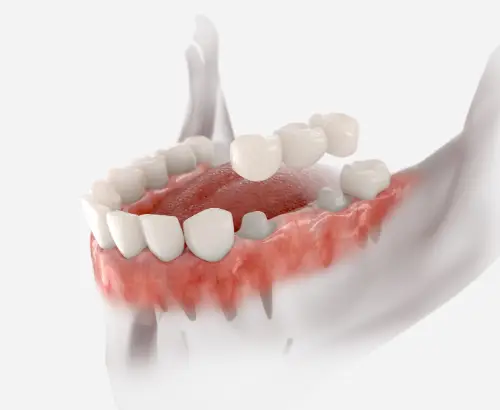
- Traditional Bridges: This common bridge type is anchored to adjacent teeth with crowns, ideal for replacing one or more missing teeth. It requires nearby healthy teeth, and typically only fills the gap for 1–2 missing teeth. They are permanent and non-removable, providing security in your new smile.
- Implant-Supported Bridges: Attached to dental implants, these bridges enhance the stability and function of your smile. Instead of relying on adjacent healthy teeth, they replace at least 3 teeth in a row with two dental implants. This can maintain the density of your jawbone and restore a larger part of your smile after dental damage or trauma. We restore dental implants in Billings, MT.
- Cantilever Bridges: These bridges are used when there are adjacent teeth on only one side of the missing tooth or teeth. It uses one pontic (replacement tooth) and one crown to create a cosmetic and functional solution. They can be less durable than other solutions, which is why they are only recommended in certain situations.
Why Support my Dental Bridge with Implants?
Dental implants are often considered the preferred foundation for dental bridges because they restore strength, stability, and long-term oral health in a way that other options cannot.
Function Like Natural Teeth
Instead of relying on nearby natural teeth for support, implant-supported bridges are anchored directly to dental implants placed in the jawbone. This allows the bridge to function more like natural teeth—secure, comfortable, and dependable during everyday activities such as eating and speaking.
Preserve Jawbone Health
One of the most important advantages of dental implants is their ability to help preserve jawbone health. When teeth are missing, the jawbone in that area can begin to weaken over time. Dental implants stimulate the bone much like natural tooth roots, helping maintain bone density and facial structure. This added support can improve both the longevity of your bridge and the overall balance of your smile.
Protect Remaining Teeth
Implant-supported bridges also protect your remaining natural teeth. Because they do not require adjacent teeth to be altered or crowned for support, healthy teeth can remain intact. The result is a solution that’s better for your gums, jaw, and teeth.
Our Cosmetic and Functional Approach to Dental Bridges
We understand that bridges restore the function of your smile, but also the appearance of your smile. Gaps in your smile can damage your self-confidence and reduce the aesthetic balance of your appearance. We create dental bridges that look like natural teeth, using materials that match your surrounding teeth in color as well as shape.
When we craft your bridge, we will craft one that fits comfortably, so it feels like one of your own teeth. It won’t poke out awkwardly or cause pain, and if it does, we can adjust it. Our bridges are durable, so you can eat and smile for years to come without worrying about your dental restoration.
Receiving a Dental Bridge
Receiving a dental bridge is a carefully planned process designed to restore function, comfort, and appearance while offering optimal wellness.
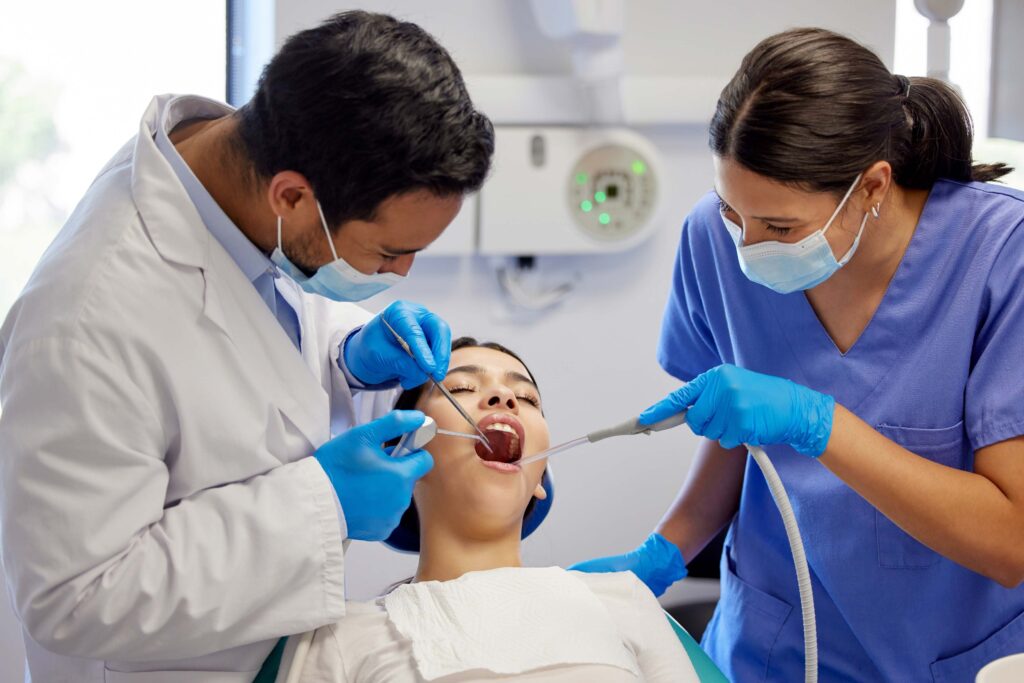
- Consultation and Evaluation: Your visit begins with a comprehensive consultation. Dr. Rath evaluates your oral health, the condition of surrounding teeth or existing restorations, and the size of the gap being replaced. Digital imaging and a thorough discussion help determine whether a traditional or implant-supported bridge is the best option.
- Preparing the Supporting Teeth: For traditional bridges, the teeth adjacent to the missing space are gently reshaped to support dental crowns. These crowns will anchor the bridge securely while maintaining a natural appearance and comfortable bite.
- Custom Bridge Design: Impressions or digital scans are taken to design a bridge that fits precisely and blends seamlessly with your natural teeth. Careful attention is given to shape, color, and bite alignment to ensure long-term comfort and aesthetics.
- Temporary Protection: While your custom bridge is being crafted, a temporary restoration may be placed to protect prepared teeth and maintain function.
- Final Placement: Once complete, your bridge is carefully placed, adjusted, and secured. Dr. Rath ensures proper fit, balance, and comfort before finalizing the restoration. Once you have a custom bridge, you will want to start with soft foods and move to your regular diet after a couple of days.
How the Implant-Supported Bridge Process Differs
Implant-supported bridges follow a similar planning process, but the foundation is different. Instead of relying on natural teeth for support, dental implants act as artificial tooth roots placed in the jawbone.
We work with dental surgeons in the Billings area to have your dental implants placed. After a healing period that allows the implants to integrate with the bone, the custom bridge is crafted in our office and then attached to the implants.
This approach offers enhanced stability, helps preserve jawbone density, and avoids altering healthy adjacent teeth. Implant-supported bridges are often recommended when replacing multiple teeth in a row or when long-term strength and bone support are a priority.
Caring for Your Dental Bridge
Caring for your dental bridge is essential for protecting your oral health and maintaining the comfort and appearance of your smile. While bridges are designed to be durable, their longevity depends on healthy gums, supporting teeth, and consistent care.
- Maintain a Thorough Daily Cleaning Routine: Brush at least twice a day to remove plaque and bacteria from the bridge, surrounding teeth, and gumline. Pay special attention to the area where the bridge meets your gums, as buildup in this area can lead to irritation or decay.
- Clean Beneath the Bridge: Food particles and plaque can collect under the bridge. Using floss threaders, bridge floss, or interdental brushes helps clean these hard-to-reach areas and supports gum health.
- Schedule Routine Professional Cleanings: Regular dental cleanings allow your dental team to check the condition of your bridge and the health of the teeth or implants supporting it. These visits help catch small concerns early and ensure your bridge continues to fit comfortably.
- Protect Your Bridge from Excessive Force: Avoid chewing ice, hard candies, or non-food items. If you clench or grind your teeth, a custom night guard may be recommended to protect both your bridge and natural teeth from wear or damage.
- Stay Aware of Changes: If you notice sensitivity, discomfort, or changes in how your bridge feels, contact your dental office promptly. Early attention can prevent more significant issues.
Frequently Asked Questions About Dental Bridges
How long does a dental bridge typically last?
Dental bridges are designed to be a long-term solution. With proper care and routine dental visits, many bridges last 10–15 years or longer. Longevity depends on oral health, bite forces, and how well the supporting teeth or implants remain healthy over time.
Will my dental bridge feel natural?
Yes. Once you adjust to your new bridge, it should feel comfortable and natural when you speak, chew, and smile. Bridges are custom-made to fit your bite and facial structure, helping them blend seamlessly into your everyday function.
Can a dental bridge affect how I speak?
Some patients notice a brief adjustment period as the tongue adapts to the new shape of the teeth. This typically resolves quickly, and speech returns to normal as your mouth becomes accustomed to the bridge.
What foods can I eat with a dental bridge?
After placement, most patients can return to a normal diet. Bridges are designed to restore strong chewing function, allowing you to enjoy a wide range of foods comfortably. Dr. Rath may provide short-term guidance following placement to ensure a smooth adjustment.
Am I a candidate for a dental bridge if I have multiple missing teeth?
Dental bridges can replace one or several missing teeth in a row. Your candidacy depends on factors such as oral health, bone support, and the condition of surrounding teeth. A consultation helps determine whether a traditional or implant-supported bridge is the best option.
Does getting a dental bridge require surgery?
Traditional bridges do not require surgery. Implant-supported bridges involve dental implant placement, which is completed by a trusted specialist before the final bridge is restored.

Restore Your Smile with a Dental Bridge
Don’t let missing teeth affect your quality of life—reach out to us and take the first step towards a healthier, more beautiful smile. Contact Radiance Family & Cosmetic Dentistry in Billings, MT, today to schedule your personalized dental bridge consultation. Let us provide you with the high-quality care and attention your smile deserves.
About Dr. Rebecca Rath
Dr. Rebecca Rath was born and raised in Billings. She earned her Doctorate of Dental Medicine degree from Oregon Health and Science University, and after graduating she practiced in community health centers and private practices in Oregon and Montana. Learning has always been an important aspect of her practice, and she has continued that learning at the prestigious Kois Center, a renowned institute for advanced dental education focused on comprehensive patient care. She works with her all-female team to bring you compassionate dentistry in Billings, Montana.